 CONTACT SALES →CONTACT SALES →
Find the right storage for industrial data loggers. Compare microSD, SSD and DRAM, calculate capacity and explore solutions designed for demanding operating environments.
Follow these four steps to match storage technology with your real application requirements.
Document sampling, write rate, operating hours and retention.
Evaluate temperature, vibration, power and field maintenance.
Review interfaces, non-volatile retention and workload endurance.
Qualify exact part numbers with system-level tests and documentation.
Choose the right combination of non-volatile recording media and working memory.
| Feature / Requirement | 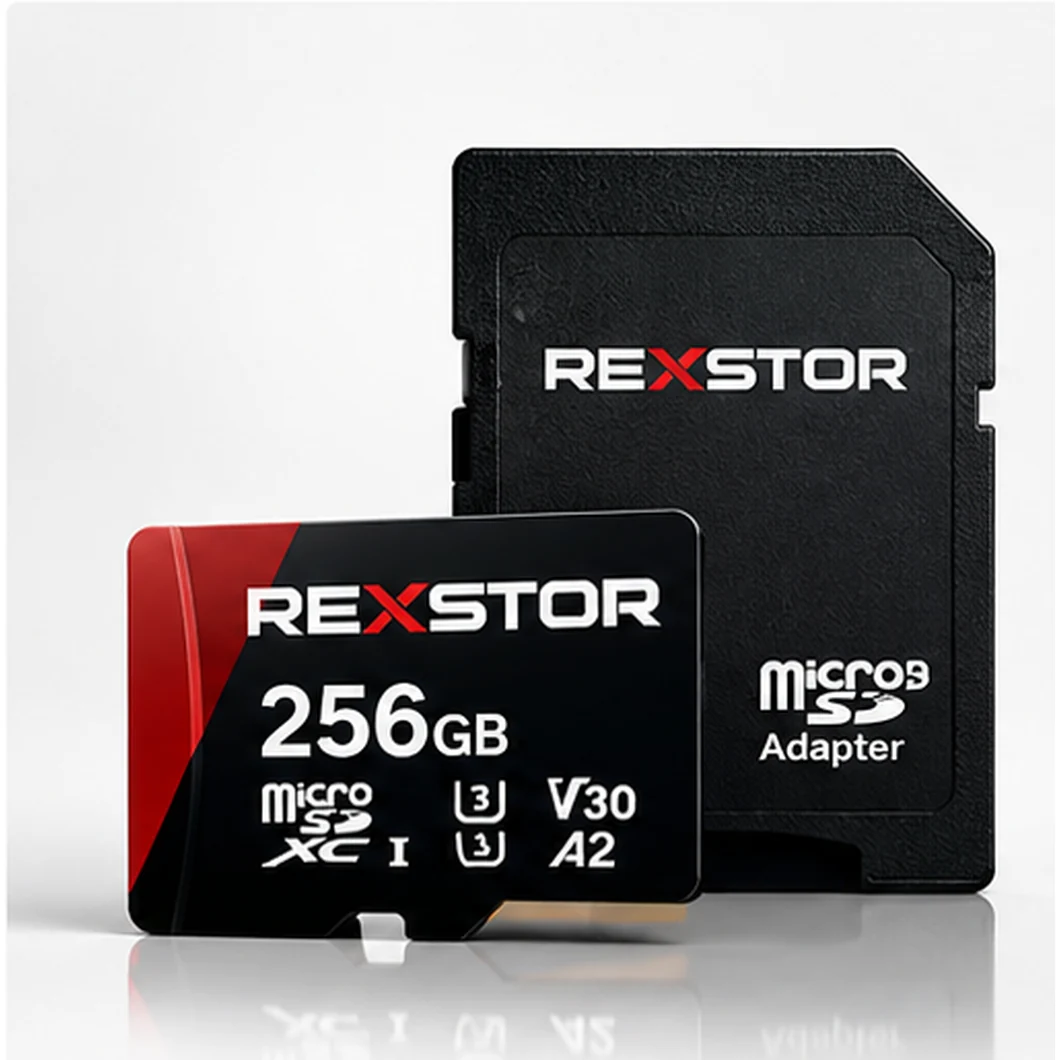 Industrial microSD Industrial microSD | 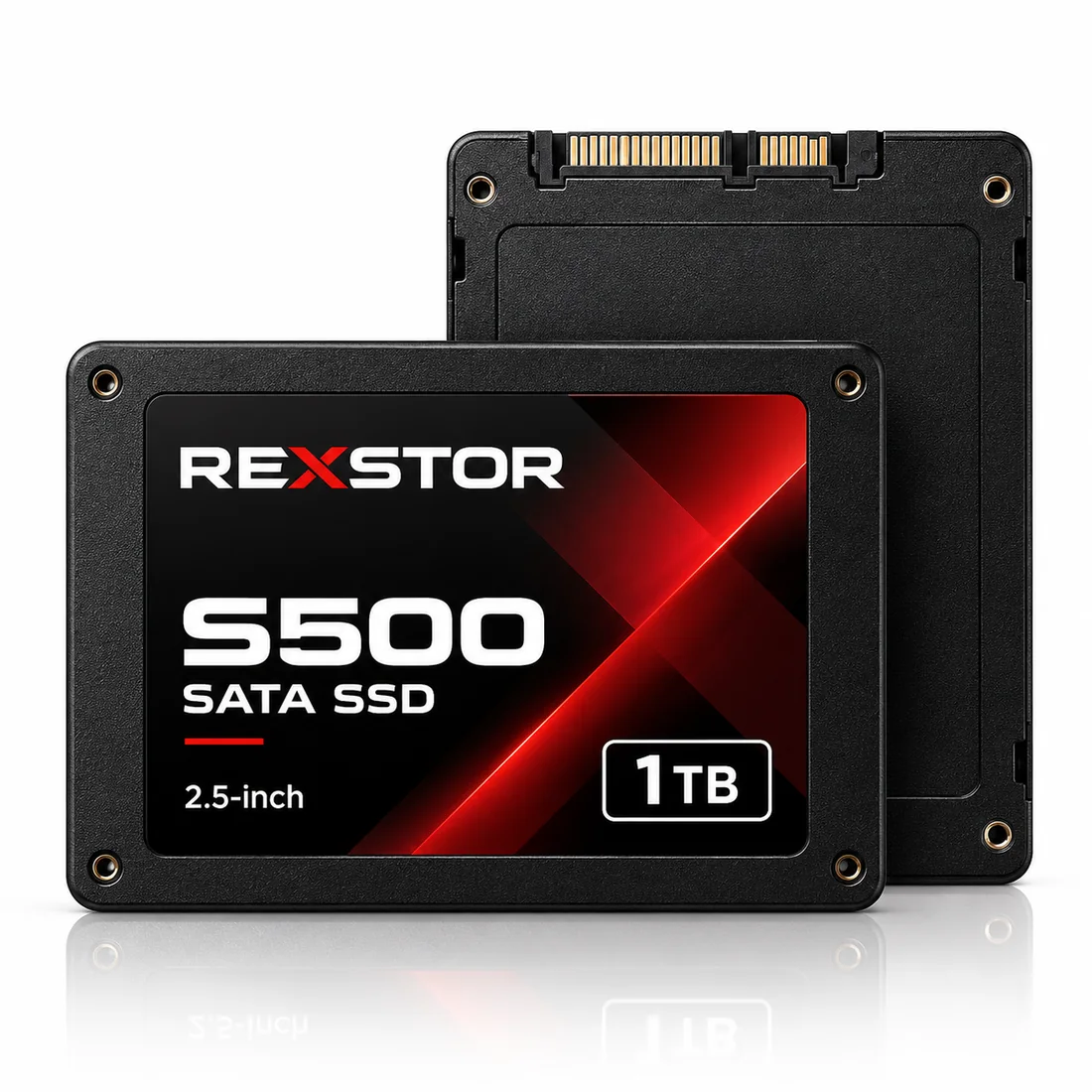 Industrial SSD Industrial SSD | 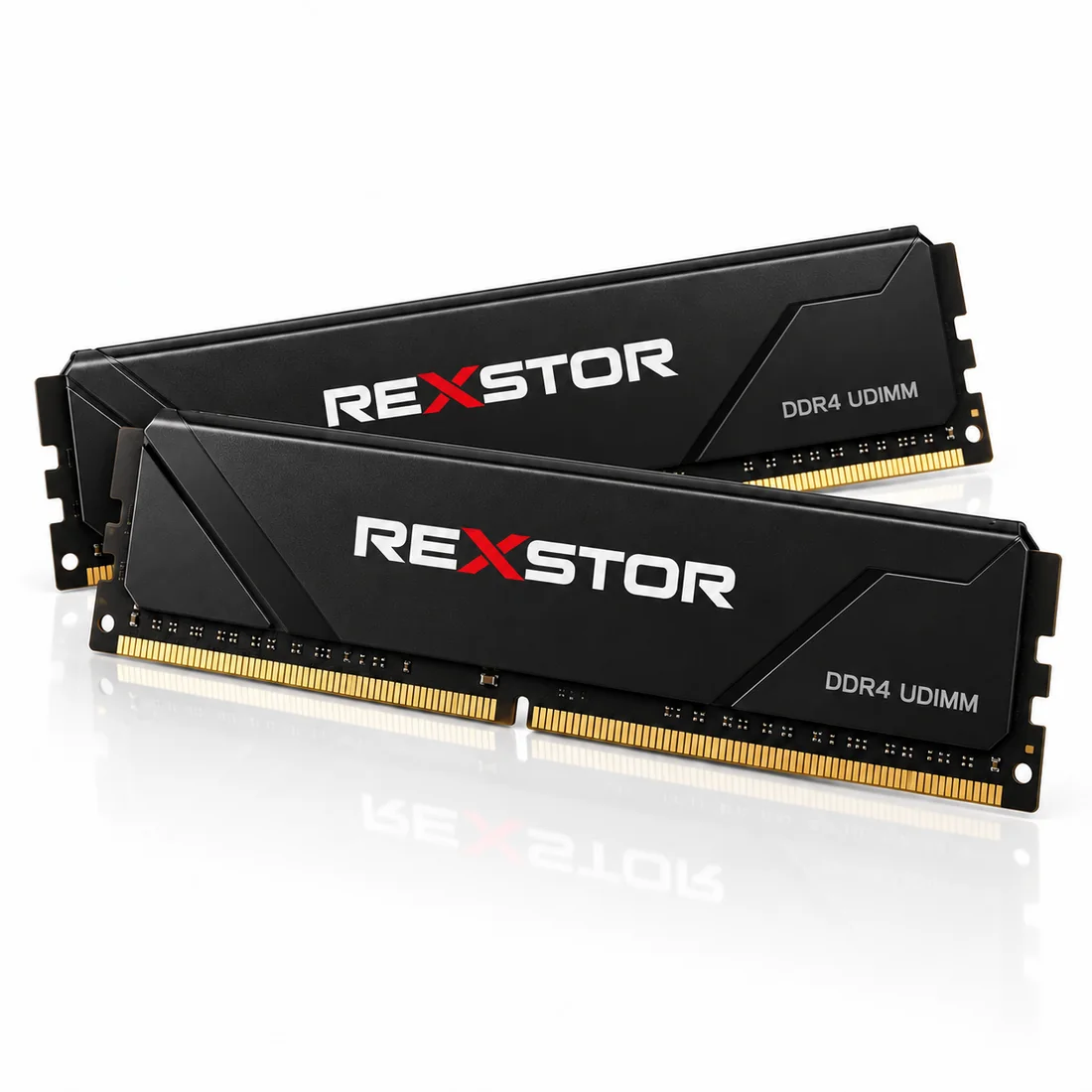 Industrial DDR Memory Industrial DDR Memory |
|---|---|---|---|
| Function | Removable non-volatile storage | High-capacity non-volatile storage | Temporary working memory (volatile) |
| Power-off retention | Yes | Yes | No |
| Capacity | Model / SKU dependent | Model / SKU dependent | Host system dependent |
| Removability | Removable media | Replaceable drive depending on installation | Installed memory module |
| Interface | SD / microSD | SATA / PCIe NVMe | DDR4 / DDR5 |
| Strength | Compact, low-power recording | Larger datasets and sustained workloads | Fast application processing / buffering |
| Engineering checks | Write endurance, temperature, host | TBW, temperature, power loss | Capacity, ECC, device compatibility |
Choose a specific deployment to explore its storage requirements and operating constraints.
Estimate capacity for a constant data-writing workload. Change the sliders to recalculate instantly.
Includes 20% extra free capacity
Calculation: KB/s × 1024 bytes × 3600 × hours/day × 30 days/month × months. This indicative estimate excludes compression, filesystem overhead and wear amplification; a 20% free-space margin is added for planning, not guaranteed life.
Determine interface, daily write volume, environment, service life and capacity first. Compact hosts may use microSD; larger recording systems may benefit from SSDs.
Multiply the recording data rate by seconds recorded per day and the number of days, then add a practical planning margin. Use the calculator above.
Check the specific product datasheet for temperature, endurance and mechanical requirements, then validate in the final host system.
SSDs store data persistently, while DDR DRAM is volatile working memory used to run applications and buffer measurements.
Replacement depends on documented write endurance, workload, environment and system reliability targets; no fixed interval applies to all applications.
Contact Rexstor with your interface, data rate, estimated writes, environment and production volume for product selection and validation guidance.