 CONTACT SALES →CONTACT SALES →
Internal SSD
Storage for boot, applications and local data. Compare SATA and NVMe options, range priorities and the integration details that make an internal SSD a good match.
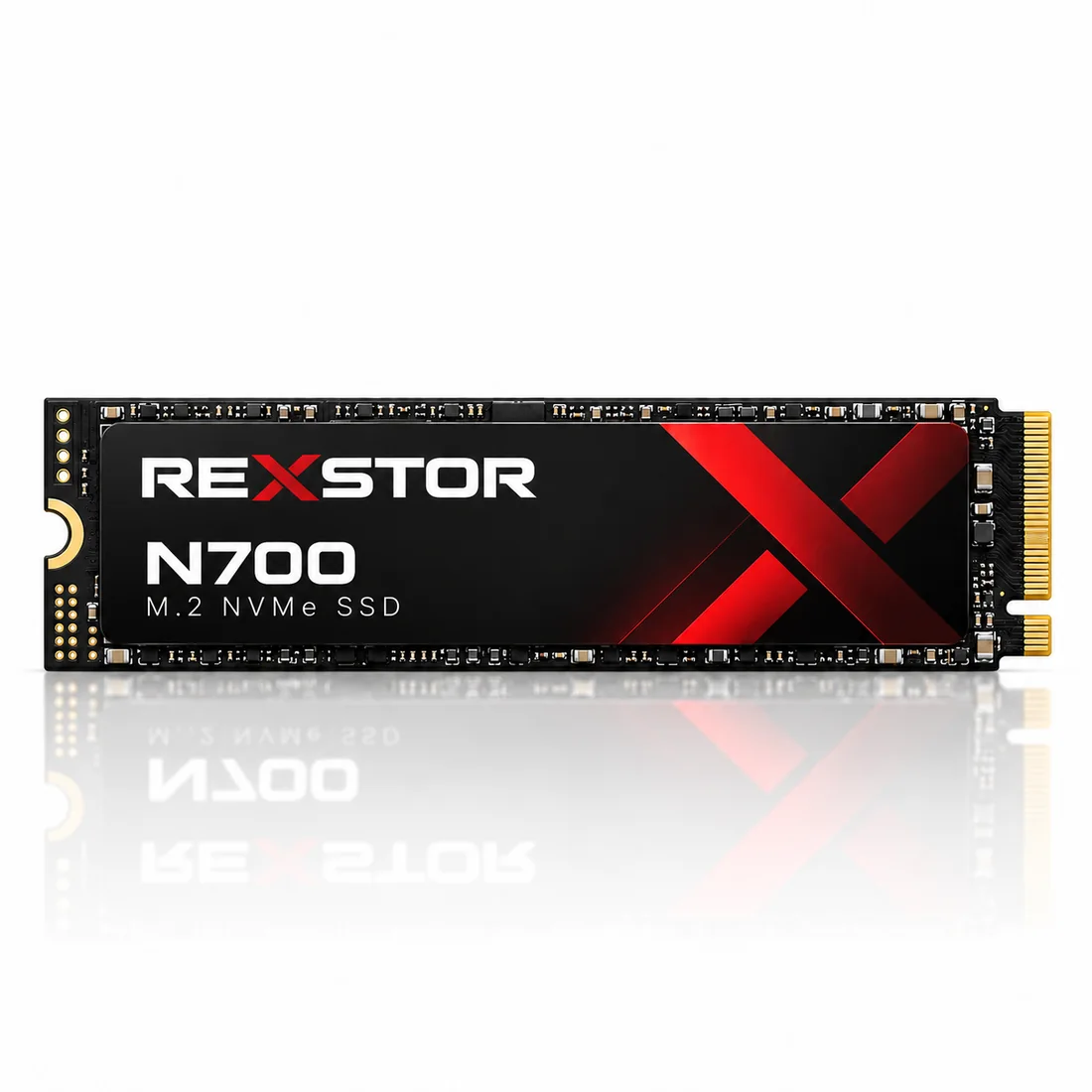
An internal SSD is installed within a computer, workstation or embedded platform. It stores data persistently and connects through a host interface supported by that system.
A 2.5-inch SATA drive and an M.2 PCIe/NVMe module are different integration choices. Verify the available bay or slot, supported protocol, module length, connector and firmware support before selecting a product.
| Choice | What it describes | Check before selecting |
|---|---|---|
| 2.5-inch SATA | A drive form factor paired here with a SATA interface. | Bay, connector, power, physical height and platform support. |
| M.2 PCIe / NVMe | An M.2 module using PCIe connectivity and the NVMe protocol. | Slot interface, keying, length, firmware support and cooling. |
| External SSD | An SSD integrated with an enclosure and external connection. | Host port, cable, supported data protocol, power and file-system compatibility. |
Replace or add storage on a compatible platform.
Manage application data and local project files.
Boot software and retain local equipment data.
Store operating images, logs and analysis data.
Compare sustained read/write behavior, random I/O and latency at the transfer sizes and queue depths your application uses. A peak sequential figure alone does not describe everyday responsiveness.
Match the write workload to the part-number-specific endurance rating and warranty conditions. TBW and DWPD describe different ways of expressing write endurance; retention also depends on use and environment.
Ask about error handling, recovery, monitoring and firmware support. NAND type alone does not establish the quality of the complete SSD.
Check what happens during unexpected power removal and which data is protected. Hardware power-loss protection is a specific feature to verify, not an assumption for every SSD.
Check physical dimensions, clearance, cooling and power needs. Sustained performance can change when the device reaches thermal limits.
Review product identification, configuration changes, availability, warranty terms and the technical documentation relevant to your system.
Choose a range by the application’s priorities, then qualify the exact configuration. A range label is a starting point for selection, not a substitute for a product specification.
| Range | Selection priority | Typical application context | Product / next step |
|---|---|---|---|
| Consumer | Platform compatibility, capacity and everyday use. | Personal computing and portable workflows. | N700 M.2 NVMe SSD — Consumer S500 SATA SSD 2.5-inch — Consumer |
| Performance | Sustained throughput, latency and thermal integration. | Creative work, demanding local processing and data movement. | Request a configuration → |
| Industrial | Environmental requirements, consistency and lifecycle. | Embedded computers, automation and equipment. | Request a configuration → |
| Enterprise | Workload endurance, data handling and platform integration. | Business servers and enterprise systems. | Request a configuration → |
| Data Center | Measured workloads, serviceability and infrastructure scale. | Cloud, virtualization, analytics and data infrastructure. | Request a configuration → |
M.2 NVMe storage in the Consumer catalogue. Verify platform and configuration compatibility.
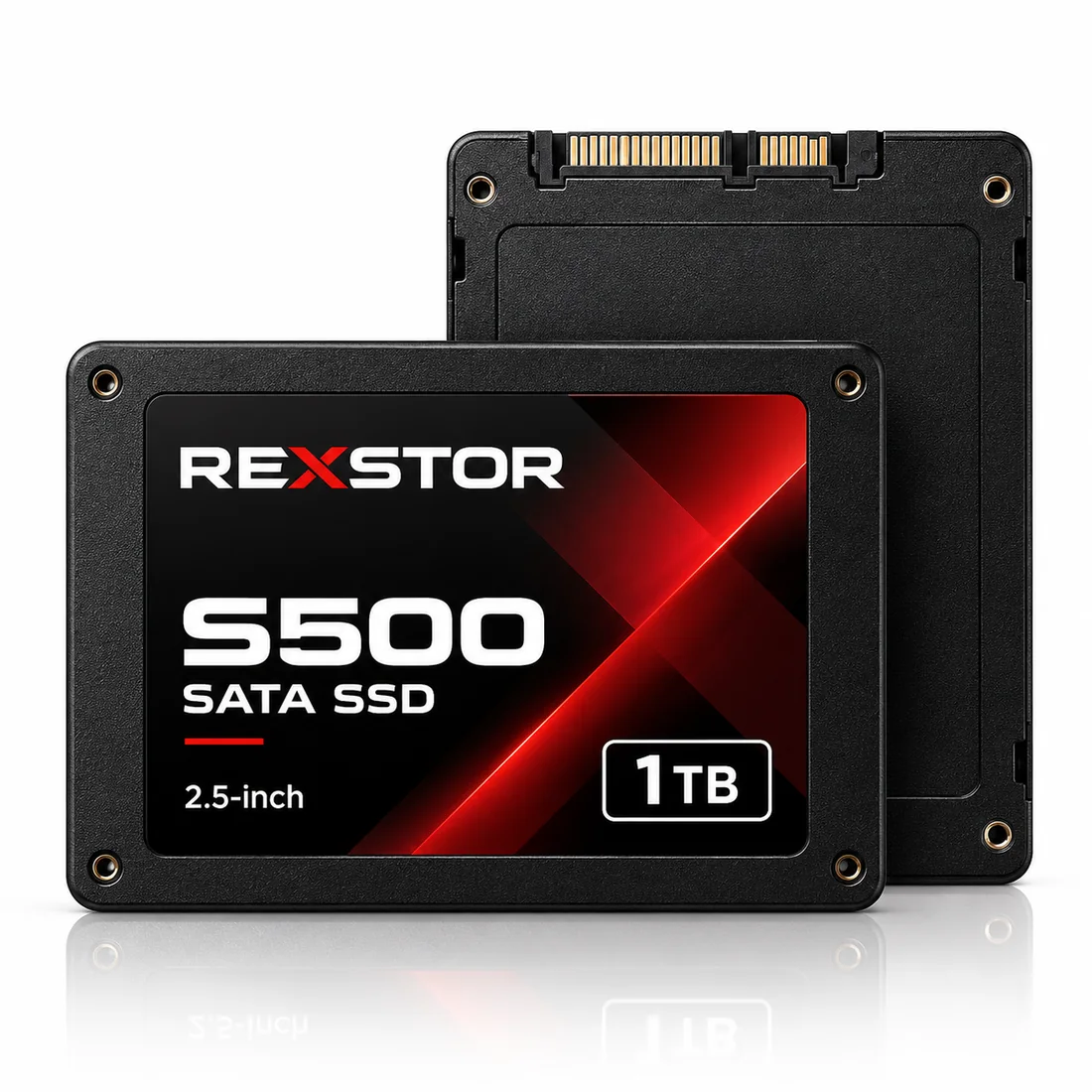
2.5-inch SATA storage in the Consumer catalogue. Check the host interface and physical fit.
Use these application guides to define the environment and workload. Match the chosen product and qualification requirements to the complete system.
No. Confirm the supported interface, keying, module dimensions and platform firmware. Physical fit alone does not establish compatibility.
Start with the host’s supported interface. Then compare the workload, capacity, endurance and thermal requirements of the available configurations.
Background on standards and selection terminology: NVMe specifications · SSD form factors · Understanding SSD endurance. Product-specific claims must be checked on the selected reference.
Share the host platform, use case, workload and lifecycle requirements for your project.
